
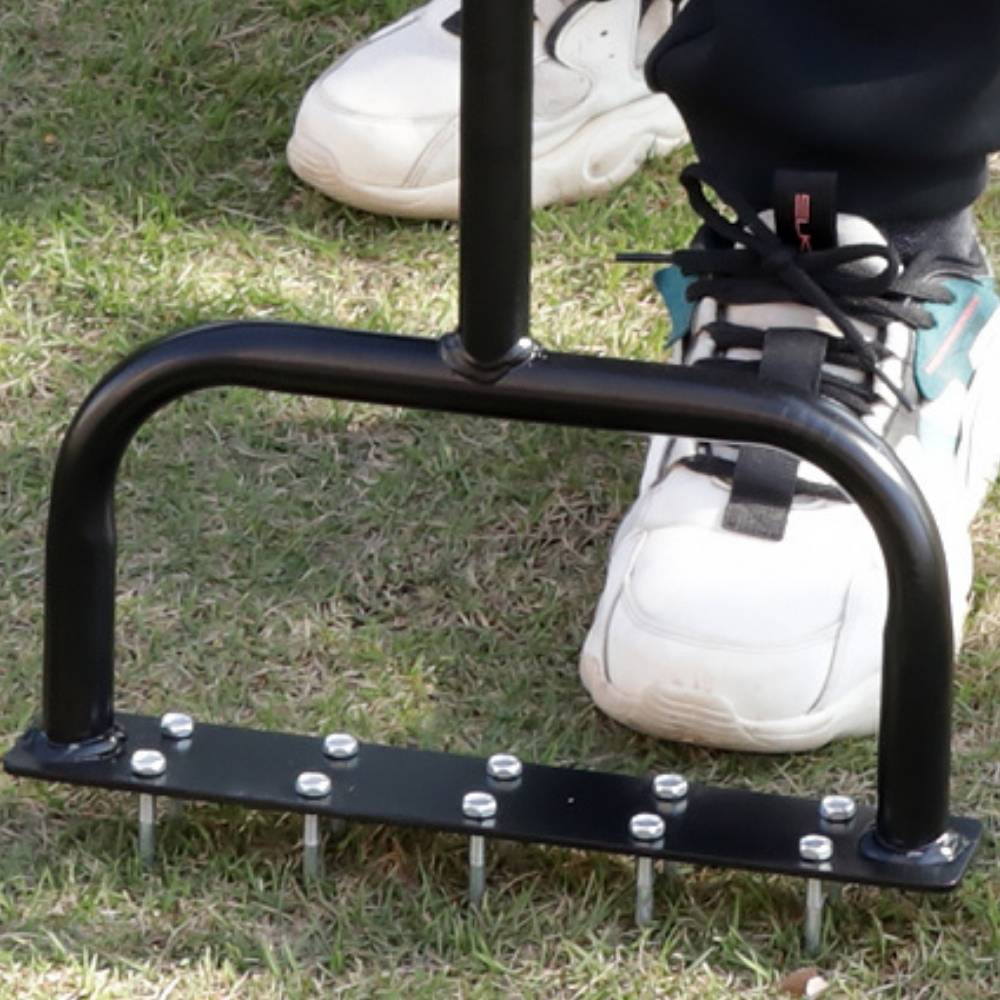
Manual Lawn Spike Aerator
Hardened steel with ten spikes and a T handle, made for compacted, well-walked patches.
R1,900Delivery throughout South Africa
View product
Product category
A grass aerator relieves compacted soil so air, water and nutrients reach the roots. Regular aeration promotes stronger root development and a more resilient lawn.
The complete guide
A grass aerator will promote stronger root development & lead to a more vibrant & resilient lawn
A well-maintained lawn is not just about mowing and watering. To achieve lush, healthy grass, it’s essential to use a lawn aerator as part of your regular care routine
A well-maintained lawn is not just about mowing and watering. To achieve lush, healthy grass, it’s essential to use a lawn aerator as part of your regular care routine. Aeration involves perforating the soil to allow air, water, and nutrients to reach the grass roots. By using a grass aerator, you’ll promote stronger root development, leading to a more vibrant and resilient lawn. In this post, we’ll explore the importance of lawn aeration and how to get the most out of your soil aerator.
Over time, the soil in your lawn can become compacted due to foot traffic, mowing, and other activities. Compacted soil restricts the flow of air, water, and essential nutrients, making it difficult for your grass to thrive. A soil aerator helps break up this compaction, creating small holes in the ground that allow these elements to penetrate deeper into the soil. Using a grass aerator regularly ensures that your lawn has the optimal conditions for growth, especially during the growing season.
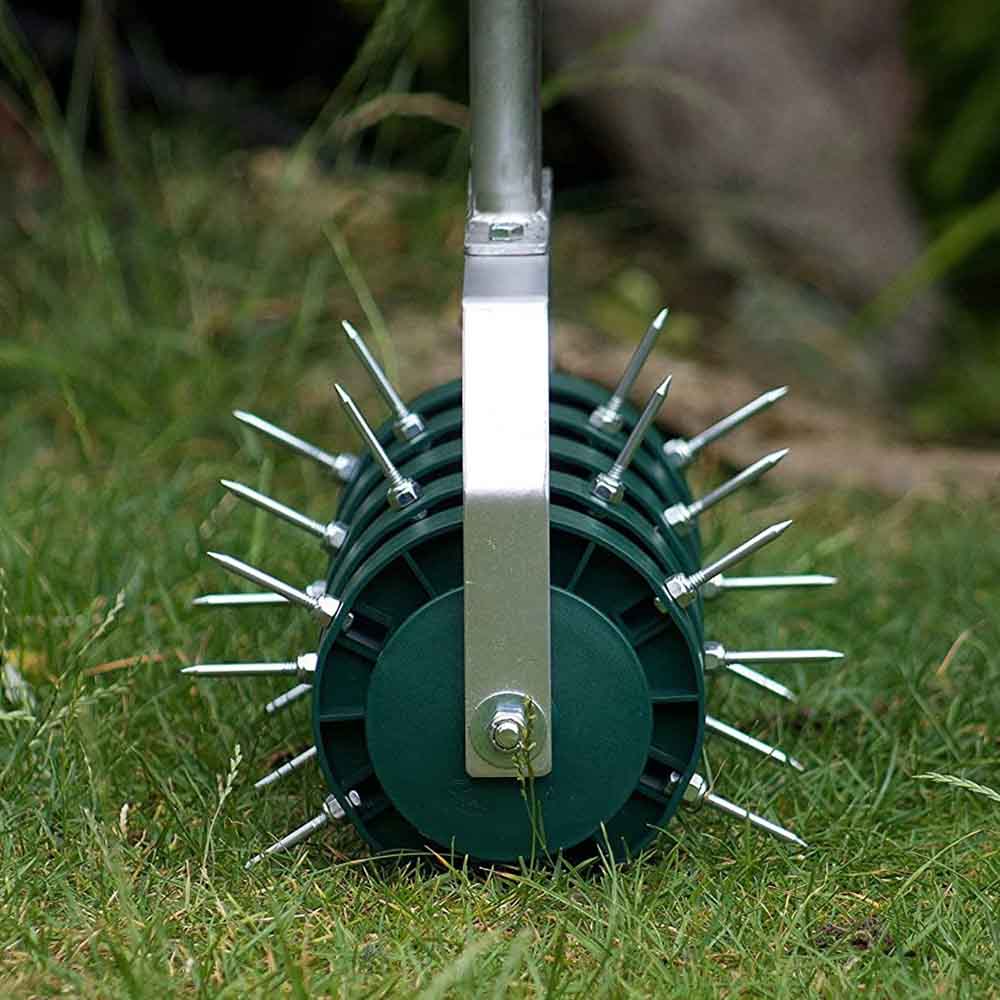
A grass aerator operates by creating small holes in the lawn, which can be done using two methods: spike aeration and core aeration. Spike aeration uses solid tines to poke holes into the soil, while core aeration removes small plugs of soil, allowing for greater airflow and water absorption. Both types of soil aerators improve the soil structure, but core aeration is often considered more effective, especially for heavily compacted lawns.
The best time to use a lawn aerator is during your grass’s growing season, typically in the spring or early autumn. This is when your lawn can recover quickly and fill in the holes created during the aeration process. Aeration is particularly beneficial for lawns that experience heavy foot traffic, drought conditions, or are part of new construction, where the soil tends to be more compacted. Using a grass aerator at the right time helps ensure your lawn stays healthy and resilient throughout the year.
Aerating your lawn offers numerous benefits that contribute to its long-term health. A soil aerator improves the soil’s ability to absorb water, reduces runoff, and enhances the effectiveness of fertilizers. This allows grass roots to grow deeper and stronger, resulting in a more drought-resistant lawn. Regular use of a grass aerator also helps prevent thatch build-up, which can suffocate your lawn if left unchecked.
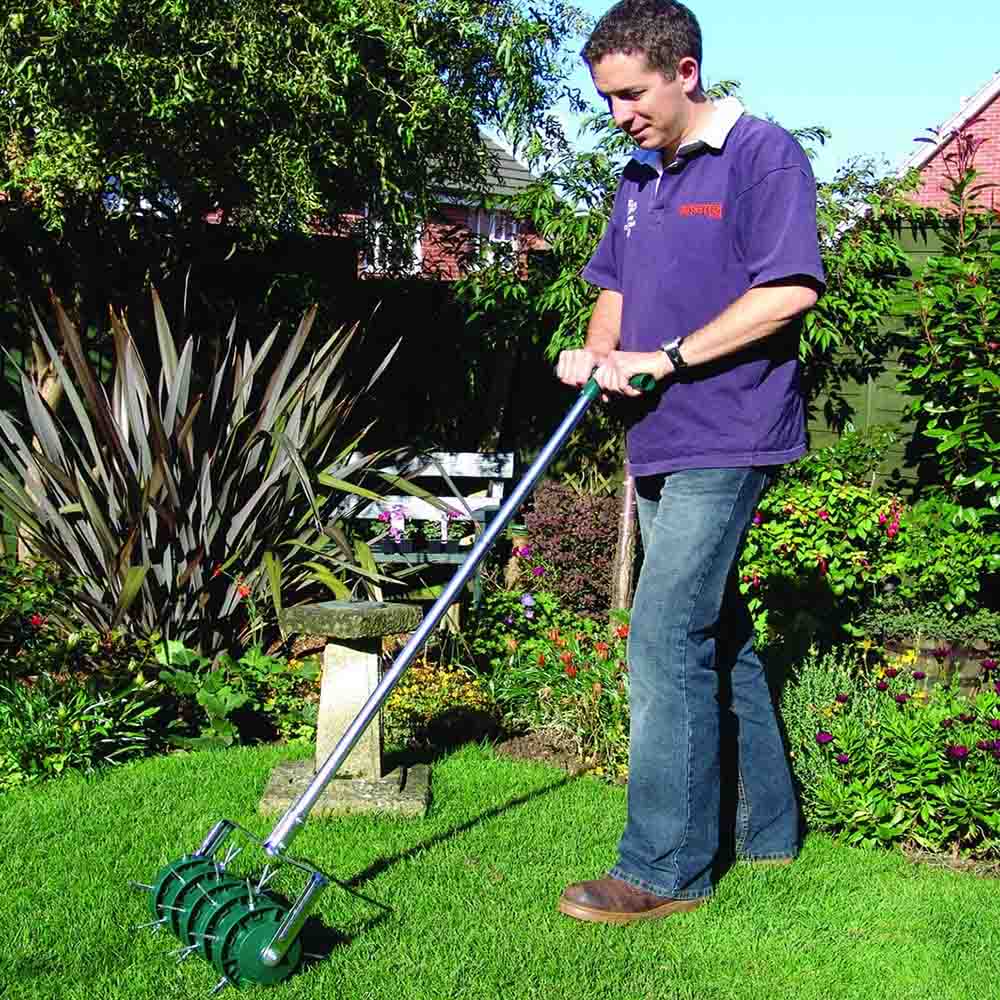
When it comes to selecting the right lawn aerator, there are several options to consider, from manual aerators to powered ones. A manual grass aerator is ideal for smaller lawns or those with minimal compaction, while powered aerators are more effective for larger lawns or those with significant soil compaction. Some homeowners prefer renting a soil aerator for occasional use, while others invest in a quality aerator for regular maintenance. Whichever option you choose, ensure it suits your lawn’s size and specific needs.
To get the most out of your lawn aerator, water your lawn a day or two before aerating to soften the soil, making the process more efficient. If you’re using a core soil aerator, leave the soil plugs on your lawn to break down naturally and return valuable nutrients to the soil. After aerating, it’s the perfect time to overseed and apply fertilizer, as the holes created by the grass aerator help these products reach the root system more effectively.
Incorporating a lawn aerator into your lawn care routine is essential for maintaining a healthy, green lawn. By using a grass aerator, you’ll improve your soil’s structure, promote deeper root growth, and enhance the overall appearance of your yard. Whether you’re dealing with compacted soil or just want to ensure your lawn gets the nutrients it needs, regular aeration is key to long-term lawn health.
Don’t wait for compacted soil to impact your lawn, invest in a soil aerator today and give your grass the breathing room it needs to thrive.
Aerating your lawn can give it the extra help it needs to grow thicker and deeper rooted grass which would otherwise not be possible. Aside from the basic care for your lawn, using a lawn aerator is one simple way of getting the best out of your garden lawn.Got questions?
A Soil Aerator helps prevent soil erosion by improving water absorption and reducing runoff. By encouraging deeper root systems, aeration stabilises the soil, making it less susceptible to erosion during heavy rain or wind.
Yes, a Grass Aerator can reduce water consumption by allowing moisture to reach the roots more efficiently. This means less water is wasted through runoff, and the grass retains more of the water it needs to stay healthy.
It’s better to aerate with a Lawn Aerator before fertilising, as the aeration holes allow the fertiliser to penetrate deeper into the soil. This improves nutrient uptake and leads to faster, more efficient grass growth.
A Soil Aerator boosts lawn resilience by promoting stronger root systems, allowing grass to recover quickly from drought, heavy foot traffic, and environmental stress. Aeration ensures that your lawn remains healthy and lush over time.
A Grass Aerator is essential for lawn care because it ensures your grass receives adequate air, water, and nutrients. Aerating regularly improves root strength, reduces compaction, and leads to a healthier, more resilient lawn all year round.
Using a Lawn Aerator is beneficial for new grass seed growth because it creates an optimal environment for seed-to-soil contact. Aeration improves water, nutrient, and oxygen availability, helping new grass establish quickly and grow robustly.
Soil Aerators are most beneficial for compacted soils, like clay, where airflow and water penetration are limited. Aeration helps loosen the soil, allowing grass roots to grow deeper and promoting overall lawn health.
Yes, a Grass Aerator improves the absorption of lawn treatments such as fertilisers and herbicides. By allowing these treatments to penetrate deeper into the soil, aeration ensures that your lawn gets the maximum benefit from each application.
A Lawn Aerator helps reduce lawn maintenance by encouraging deeper root growth, making your grass more drought-tolerant and less reliant on frequent watering or fertilising. A well-aerated lawn requires less care overall.
Autumn is the best time to use a Soil Aerator because it allows the grass to recover before winter. The cooler temperatures and increased moisture in autumn create optimal conditions for root development and grass health.
Yes, a Grass Aerator helps improve the root structure by allowing water and nutrients to reach deeper into the soil. This promotes stronger, healthier root growth, which in turn makes your lawn more resilient to drought and foot traffic.
A lawn typically recovers within 1 to 2 weeks after using a Lawn Aerator, depending on the weather and soil conditions. Aeration encourages rapid root growth, resulting in a thicker, greener lawn in a short period.
Using a Soil Aerator is better than just watering because it improves the efficiency of water absorption. Aeration helps water reach deeper layers of soil, preventing runoff and ensuring that the grass roots get the moisture they need.
Core aeration involves using a Grass Aerator to remove small plugs of soil from the lawn. This method reduces soil compaction, increases root growth, and improves nutrient absorption, resulting in a thicker, healthier lawn over time.
Yes, Lawn Aeration reduces lawn disease by improving air circulation, which prevents fungal growth in compacted areas. By boosting root strength, aeration makes your lawn more resistant to diseases and harsh environmental conditions.
Yes, watering after using a Soil Aerator is crucial to help the soil recover and for nutrients to reach the grass roots. Watering also aids in filling the newly created holes with moisture, ensuring the lawn gets the best possible benefit from aeration.
Grass Aerators typically penetrate the soil to a depth of around 5 to 10 centimetres. This depth is ideal for loosening compacted soil, allowing oxygen and water to nourish the roots effectively and promoting healthy grass growth.
A Lawn Aerator can help repair bald patches by improving soil conditions, allowing seeds to establish better root systems. By enhancing nutrient access and airflow, aeration promotes faster grass recovery in patchy areas.
Using a Soil Aerator after rainfall is ideal because the soil is moist, making it easier to penetrate. This helps the aerator create clean holes, ensuring better water, air, and nutrient movement without causing undue stress to the lawn.
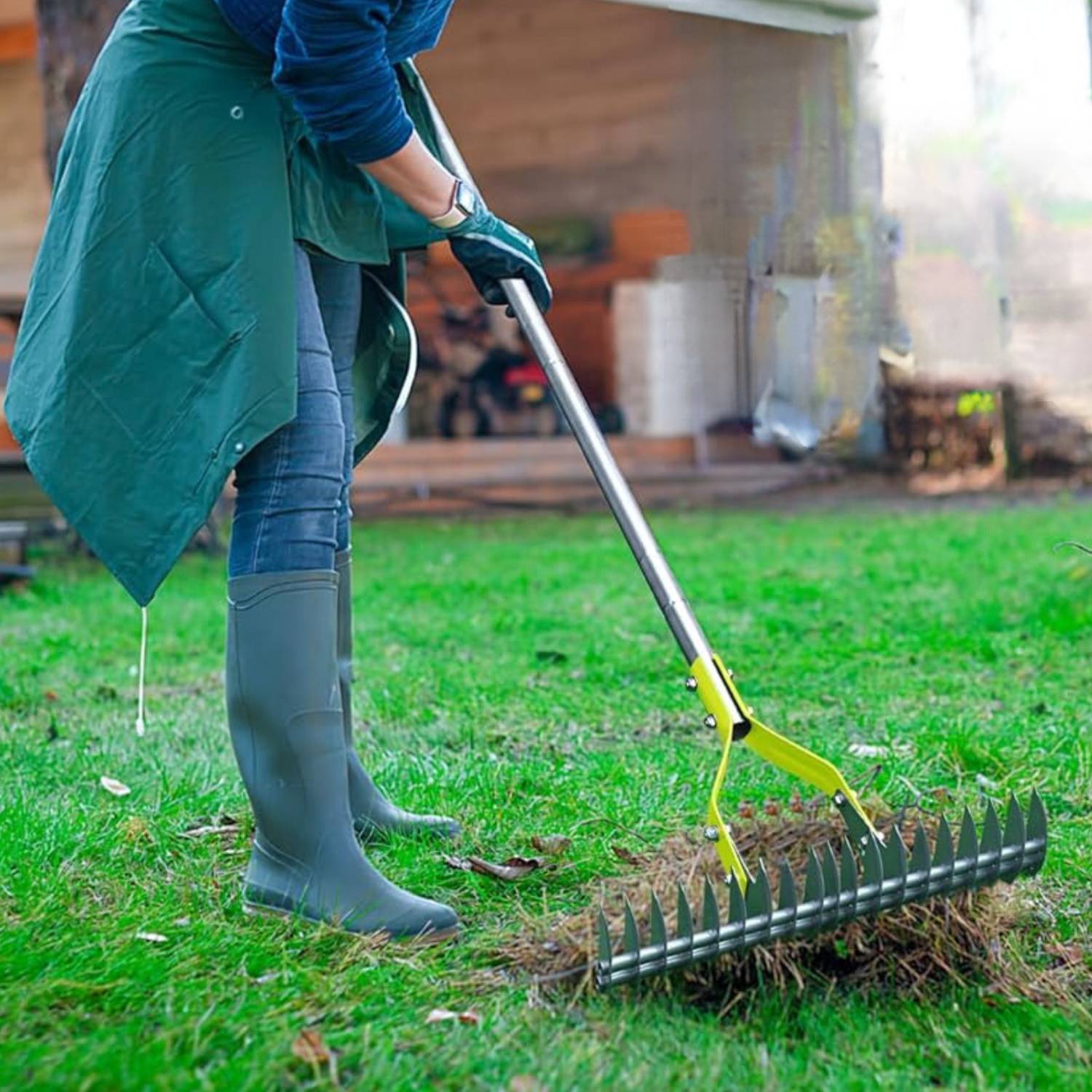
A Grass Aerator can help reduce thatch buildup by promoting microbial activity in the soil. By improving airflow and water absorption, aeration encourages the breakdown of thatch, preventing the thick layer that can suffocate grass.
Yes, a Soil Aerator enhances fertiliser absorption by allowing the nutrients to penetrate deeper into the soil. This leads to stronger roots and more even grass growth, making your lawn more lush and vibrant over time.
Aerating with a Grass Aerator should be done once or twice a year, depending on soil conditions. Lawns with high foot traffic or heavy clay soil may benefit from more frequent aeration to maintain healthy growth and prevent compaction.
A Lawn Aerator penetrates the soil to improve air and water flow, while dethatching removes excess organic matter on the soil surface. Both processes complement each other, with aeration improving root growth and dethatching enhancing soil exposure.
Yes, a Soil Aerator can significantly improve water drainage by breaking up compacted soil, allowing water to reach deeper soil levels. This prevents waterlogging and promotes better hydration for your lawn, especially during heavy rain.
Yes, a Soil Aerator can significantly improve water drainage by breaking up compacted soil, allowing water to reach deeper soil levels. This prevents waterlogging and promotes better hydration for your lawn, especially during heavy rain.
Regular use of a Grass Aerator improves oxygen circulation in the soil, promotes better nutrient absorption, and enhances root growth. Aeration can make your lawn more resistant to drought, wear, and diseases, ensuring long-term health.
Lawn Aeration prevents soil compaction by perforating the surface, allowing for improved air, water, and nutrient absorption. This helps grass roots to grow deeper, reducing the effects of compacted soil that can starve the grass of essentials.
Using a Soil Aerator is best in the growing seasons, typically during spring or autumn. Aerating when the soil is moist, but not soaked, ensures better penetration and recovery for your lawn, encouraging vigorous root growth.
A Grass Aerator enhances lawn health by allowing air, water, and nutrients to reach deeper soil levels, encouraging stronger root systems. Healthy roots lead to a greener, more resilient lawn, particularly in areas that suffer from heavy foot traffic.
A Lawn Aerator helps improve the health of your grass by creating small holes in the soil, allowing air, water, and nutrients to penetrate the roots. This boosts root growth and enhances lawn durability, especially in compacted soils.